Common RV Issues and Reliable Repair Solutions
When hitting the open road in your RV, the last thing you want is to encounter unexpected issues. Unfortunately, RVs are complex machines that can face a variety of problems, from minor inconveniences to major breakdowns. Understanding common RV issues and their reliable repair solutions can save you time, money, and stress during your travels. In this post, we will explore the most frequent problems RV owners face and provide practical solutions to keep your adventures on track.
Common RV Issues
1. Electrical Problems
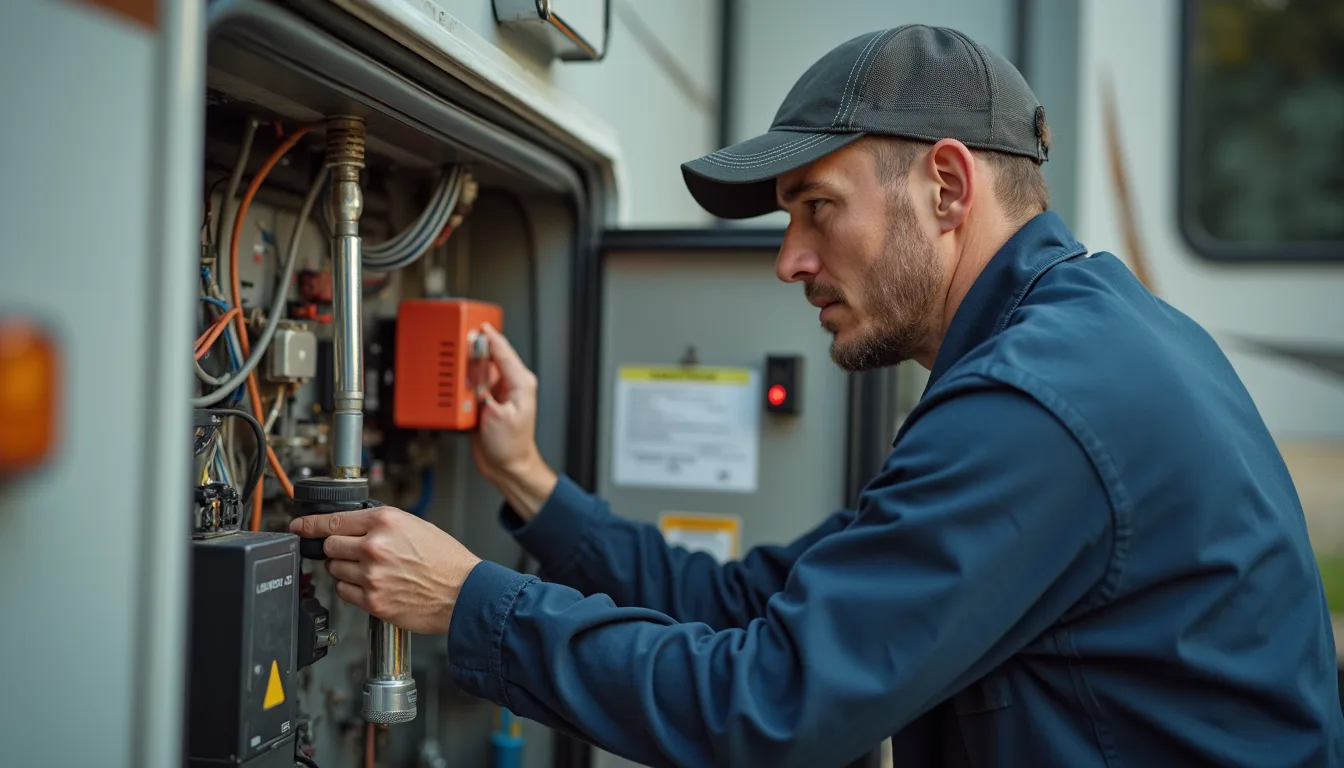
Electrical issues are among the most common problems RV owners face. These can range from dead batteries to malfunctioning appliances. Here are some typical electrical problems:
- Dead Batteries: Batteries can lose charge due to age, lack of maintenance, or excessive use of electrical appliances.
- Faulty Wiring: Over time, wiring can become frayed or damaged, leading to shorts or complete failures.
- Malfunctioning Appliances: Appliances may not work due to electrical issues or simply because they are old and need replacement.
Solutions
- Regular Maintenance: Check your batteries regularly and clean the terminals to prevent corrosion. Consider investing in a battery monitor to keep track of charge levels.
- Inspect Wiring: Routinely inspect your RV’s wiring for signs of wear. If you notice any damage, consult a professional for repairs.
- Test Appliances: If an appliance isn’t working, check the power source first. If the problem persists, it may be time to replace the appliance.
2. Plumbing Issues
Plumbing problems can quickly turn a pleasant trip into a nightmare. Common plumbing issues include:
- Leaky Pipes: Over time, pipes can develop leaks due to wear and tear or freezing temperatures.
- Clogged Drains: Food particles, hair, and other debris can clog sinks and showers.
- Water Heater Problems: A malfunctioning water heater can leave you without hot water for showers and dishwashing.
Solutions
- Inspect for Leaks: Regularly check your pipes and connections for leaks. If you find one, use plumbing tape or sealant as a temporary fix until you can make a more permanent repair.
- Clear Clogs: Use a plunger or a plumbing snake to clear clogged drains. Avoid using chemical drain cleaners, as they can damage pipes.
- Maintain Your Water Heater: Flush your water heater annually to remove sediment buildup. If it’s not heating properly, check the thermostat and heating element.
3. Tire Issues
Tires are crucial for safe RV travel, and issues can arise unexpectedly. Common tire problems include:
- Flat Tires: Punctures or leaks can lead to flat tires, which can be dangerous on the road.
- Uneven Wear: Improper alignment or inflation can cause tires to wear unevenly, reducing their lifespan.
- Blowouts: Overheating or under-inflation can lead to tire blowouts, posing serious safety risks.
Solutions
- Regular Inspections: Check tire pressure before each trip and inspect for signs of wear or damage. Rotate your tires regularly to promote even wear.
- Proper Inflation: Keep your tires inflated to the manufacturer’s recommended pressure. This information can usually be found on a sticker inside the driver’s door.
- Replace Worn Tires: If your tires show significant wear or damage, replace them immediately to ensure safe travel.
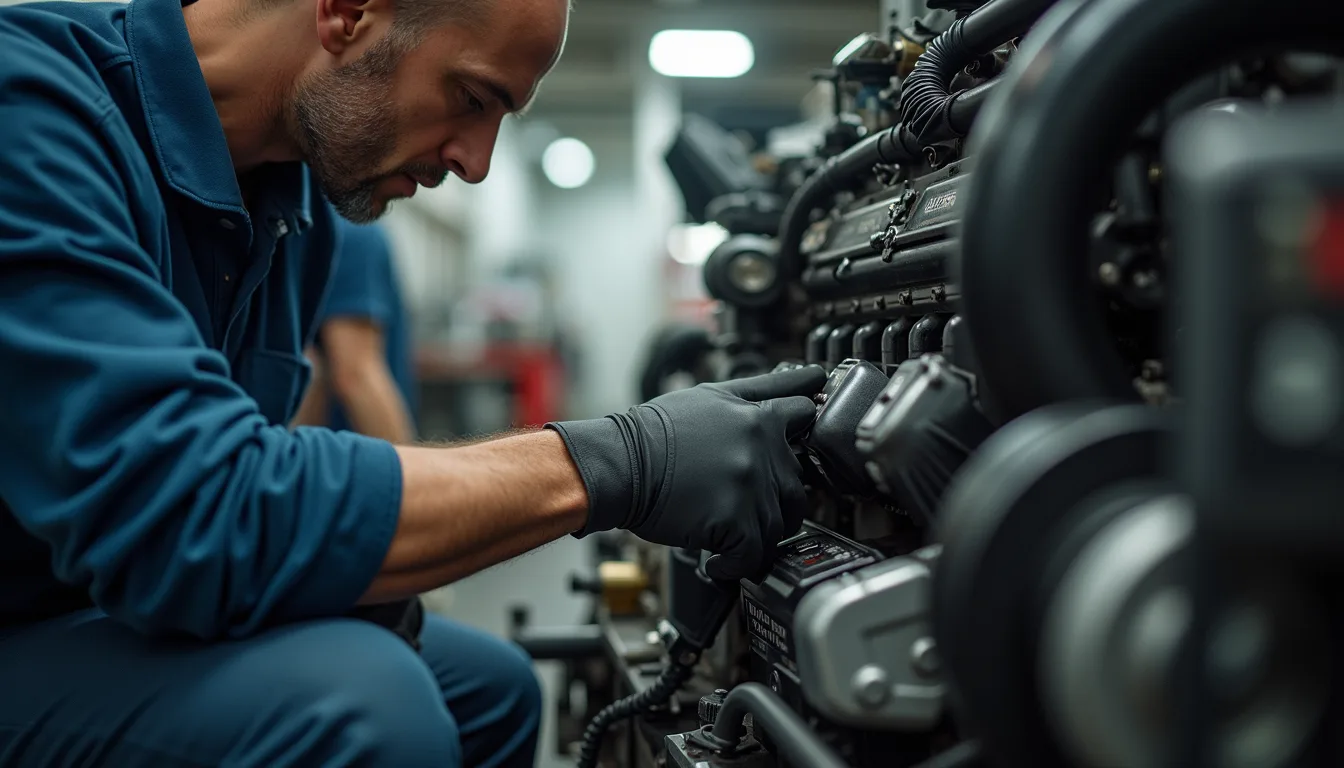
4. Engine Problems
Engine issues can be daunting and often require professional assistance. Common engine problems include:
- Overheating: An overheating engine can be caused by low coolant levels, a faulty thermostat, or a malfunctioning water pump.
- Poor Performance: If your RV is struggling to accelerate or maintain speed, it could be due to fuel system issues or a clogged air filter.
- Strange Noises: Unusual sounds from the engine can indicate serious problems, such as worn bearings or a failing alternator.
Solutions
- Monitor Coolant Levels: Regularly check and top off your coolant. If you notice frequent drops, have your cooling system inspected.
- Fuel System Maintenance: Keep your fuel system clean by using fuel additives and replacing the fuel filter as recommended.
- Listen for Noises: Pay attention to any strange sounds and address them promptly. Consult a mechanic if you’re unsure about the source of the noise.
5. Awning Problems
Awnings provide shade and comfort but can also encounter issues. Common awning problems include:
- Stuck or Jammed Awnings: Awnings can get stuck due to debris or mechanical failure.
- Tears and Rips: Over time, awnings can develop tears from UV exposure or strong winds.
- Broken Mechanisms: The mechanical parts of an awning can wear out, making it difficult to open or close.
Solutions
- Regular Cleaning: Keep your awning clean and free of debris to prevent jams. Use a soft brush and mild soap to clean the fabric.
- Repair Tears: Small tears can often be repaired with fabric patches or awning tape. For larger rips, consider replacing the awning fabric.
- Check Mechanisms: Inspect the mechanical components regularly and lubricate them as needed. If you notice any issues, consult a professional for repairs.
Preventative Maintenance Tips
Preventative maintenance is key to avoiding many common RV issues. Here are some tips to keep your RV in top shape:
- Regular Inspections: Conduct thorough inspections of your RV before and after each trip. Check the roof, tires, brakes, and all systems.
- Keep Records: Maintain a log of all maintenance and repairs. This will help you track when services are due and identify recurring issues.
- Invest in Quality Parts: When replacing parts, choose high-quality components to ensure longevity and reliability.
When to Seek Professional Help
While many RV issues can be resolved with DIY solutions, some problems require professional assistance. Here are signs that it’s time to call in the experts:
- Complex Repairs: If you’re unsure about how to fix a problem or if it involves complex systems like the engine or electrical system, it’s best to consult a professional.
- Safety Concerns: If you notice any issues that could compromise your safety, such as brake problems or tire damage, seek professional help immediately.
- Time Constraints: If you’re short on time and need a quick resolution, a professional can often diagnose and fix issues faster than you can on your own.
Conclusion
Understanding common RV issues and their reliable repair solutions can make your travels more enjoyable and stress-free. By staying proactive with maintenance and knowing when to seek professional help, you can keep your RV in excellent condition. Remember, the open road is waiting for you, and with the right knowledge, you can tackle any challenge that comes your way. Happy travels!
Comments